
A roof replacement proposal should describe an assembly, a worksite, and a completion process—not merely a surface material. Decking conditions, underlayment, flashings, penetrations, ventilation, drainage, adjacent walls, access, protection, and restoration can all shape the project. Asking precise questions makes it easier to compare scopes and understand which decisions remain dependent on concealed conditions.
What Existing Conditions Were Evaluated?
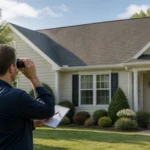
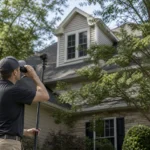
Ask which roof areas and accessible related components were inspected and which could not be evaluated. The scope should identify roof slopes, low-slope sections, valleys, edges, penetrations, wall intersections, drainage features, and known repairs relevant to the project. Interior or attic observations should be described separately from exterior findings.
Clarify what is known about the roof deck and what can only be confirmed after covering is removed. If damaged or unsuitable decking is discovered, the proposal should explain how the condition will be documented, how replacement is authorized, and how work proceeds. Unknowns should be visible rather than hidden inside an unlimited allowance.
Which Layers and Details Are Included?
Request a written description of removal, deck preparation, underlayment, edge components, flashings, penetrations, vents, surface materials, fasteners, and waste handling as they apply to the roof. Ask which existing components will remain and how their condition affects the plan. Product names alone do not define installation boundaries.
Discuss transitions to chimneys, skylights, walls, siding, gutters, solar equipment, and other roof-mounted items. Identify which provider owns removal, coordination, reconnection, and any finish restoration. A roofing contractor should not be assumed to perform another trade’s work unless the scope says so.
How Will the Property Be Protected?
Review delivery and staging areas, driveway or landscape limitations, building entrances, neighboring property, pets, vehicles, and occupied spaces. Ask how falling debris, dust, weather exposure, and daily cleanup will be managed. In a shared building, clarify notices and access controlled by the owner or property manager.
The plan should address what happens if weather interrupts the work and how exposed areas are left between work periods. Do not rely on a broad statement that the site will be protected. The scope should connect protection to the property’s actual conditions.
What Defines Completion?
Ask which inspections, photographs, cleanup checks, drainage observations, and handoff documents will be provided. Confirm how changed deck areas, flashings, penetrations, and concealed stages will be recorded before they are covered. Identify any follow-up or outstanding work owned by another provider.
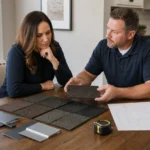
Ask how product substitutions or unavailable components will be handled. A change in one item may affect adjacent details, sequencing, or documentation, so approval should be based on the revised assembly rather than a product name alone. Also clarify the expected work sequence and which milestones must occur before another provider closes or restores an area.
Keep the accepted scope, product information, approved changes, progress documentation, and final records together. A strong roof replacement scope explains both the intended assembly and the process for conditions that cannot be known in advance. Those questions help homeowners compare the substance of a plan without relying on vague labels or unsupported performance promises.