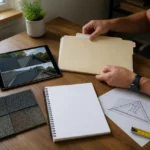
A roof inspection can provide valuable information, but no inspection method makes every part of a building visible. Roof height, slope, weather, surface condition, access, equipment, finishes, and concealed construction all influence what can be observed. Understanding those limits helps a homeowner interpret findings accurately and decide when additional access or a separate evaluation is justified.
Access Determines What Can Be Seen
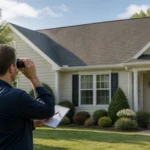
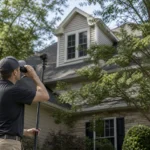
A contractor may inspect from the roof surface, a ladder, the ground, windows, an attic, or another safe location depending on site conditions. Steep or fragile surfaces, rain, wind, snow, ice, damaged decking, nearby power lines, or restricted property access may prevent a particular method. Safety limits should be recorded, not treated as incomplete effort to be overcome casually.
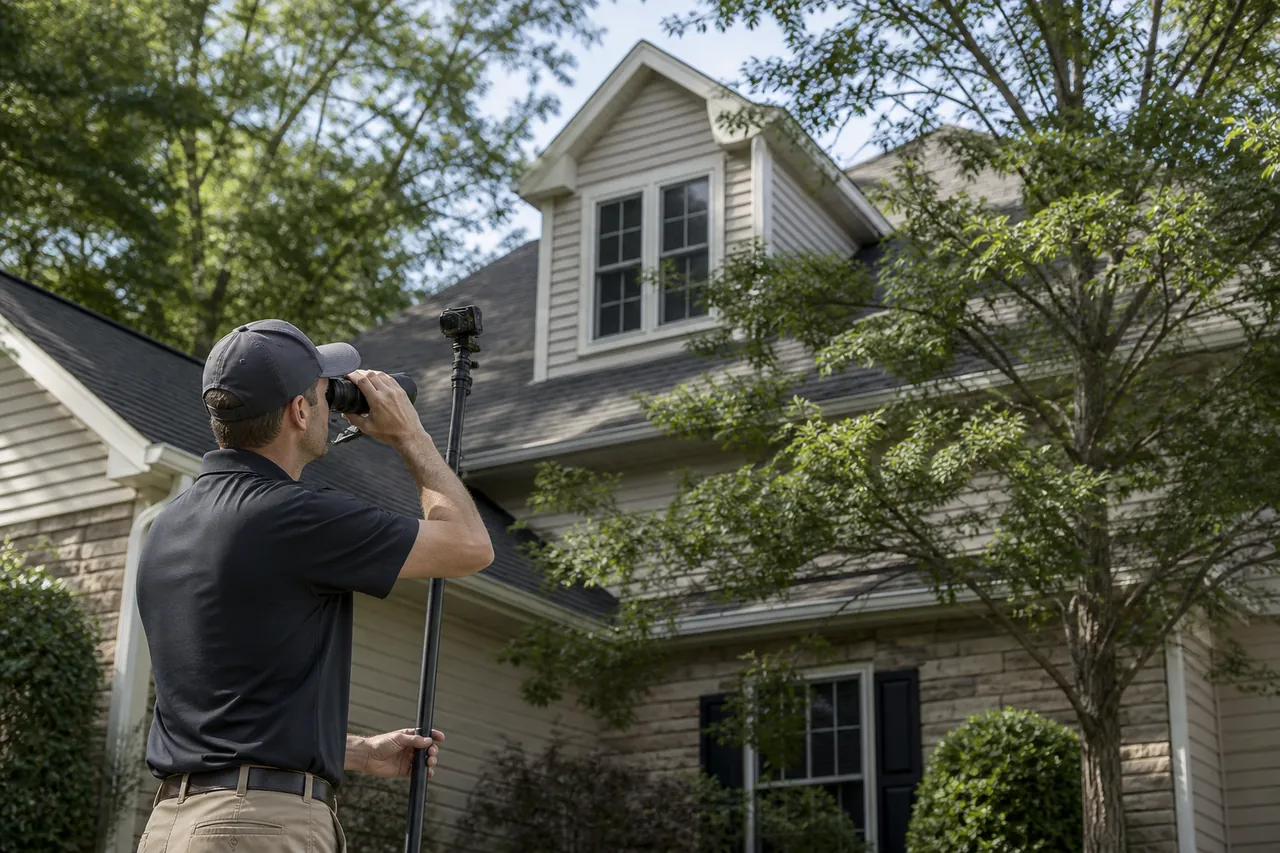
Ask the inspector to identify the areas viewed and the method used. A photograph taken from the ground can document roof geometry or a visible change, but it may not reveal small surface details. Conversely, a roof-surface view may not show concealed decking or interior moisture pathways.
Finished and Concealed Areas Remain Limited
Roof coverings hide underlayment, decking, fasteners, and many transitions. Interior finishes can conceal framing, insulation, and the path water traveled before appearing. Even accessible attic areas may have blocked bays, low clearances, stored items, or insulation that should not be disturbed.
An inspection should distinguish direct observations from inferences. If a conclusion depends on opening, removal, moisture testing, or another specialized method, ask what question that step would answer and who owns restoration. Do not assume that a visual visit confirms every concealed layer.
Conditions Change Over Time
A roof may behave differently during wind-driven rain, snow melt, freeze-thaw cycles, or heavy drainage than it does on a dry inspection day. An intermittent leak may leave only a stain, and a visible wet area may dry before service. Your dated weather and interior notes can add context without replacing direct evaluation.
Ask whether monitoring is appropriate and exactly what should be recorded. Repeated homeowner access to an attic or roof is not a safe monitoring plan. Ground-level photographs and ordinary interior observations should be used only where the area remains stable without electrical, contamination, or structural hazards.
Read the Report With Its Limits
A useful report names inspected areas, observed conditions, inaccessible locations, recommended next steps, and questions that remain open. It should avoid turning “not visible” into “not present.” Recommendations should connect to findings and state when another trade or additional access is involved.
Tools such as cameras, moisture instruments, or aerial imagery can extend an inspection, but each has limits. Ask what an image or reading actually demonstrates and whether the relevant surface was directly viewed. Technology should support the report, not turn an indirect signal into certainty about a concealed condition.
Keep the report with labeled photographs, prior roof documents, and any follow-up findings. Inspection limits do not make the work meaningless; they define how much confidence each observation supports. When the method, access, and unknown areas are transparent, homeowners can make better decisions without expecting a visual inspection to establish the condition of every concealed component.